
Differences in Physiology and Regulation Between Genders
Speaker
Ellen Groesser, MSc, BCST, RCST
9 - 11 October 2026
Gauteng
Venue to be confirmed
Cost
Members: R7,000
Non-members: R8,500
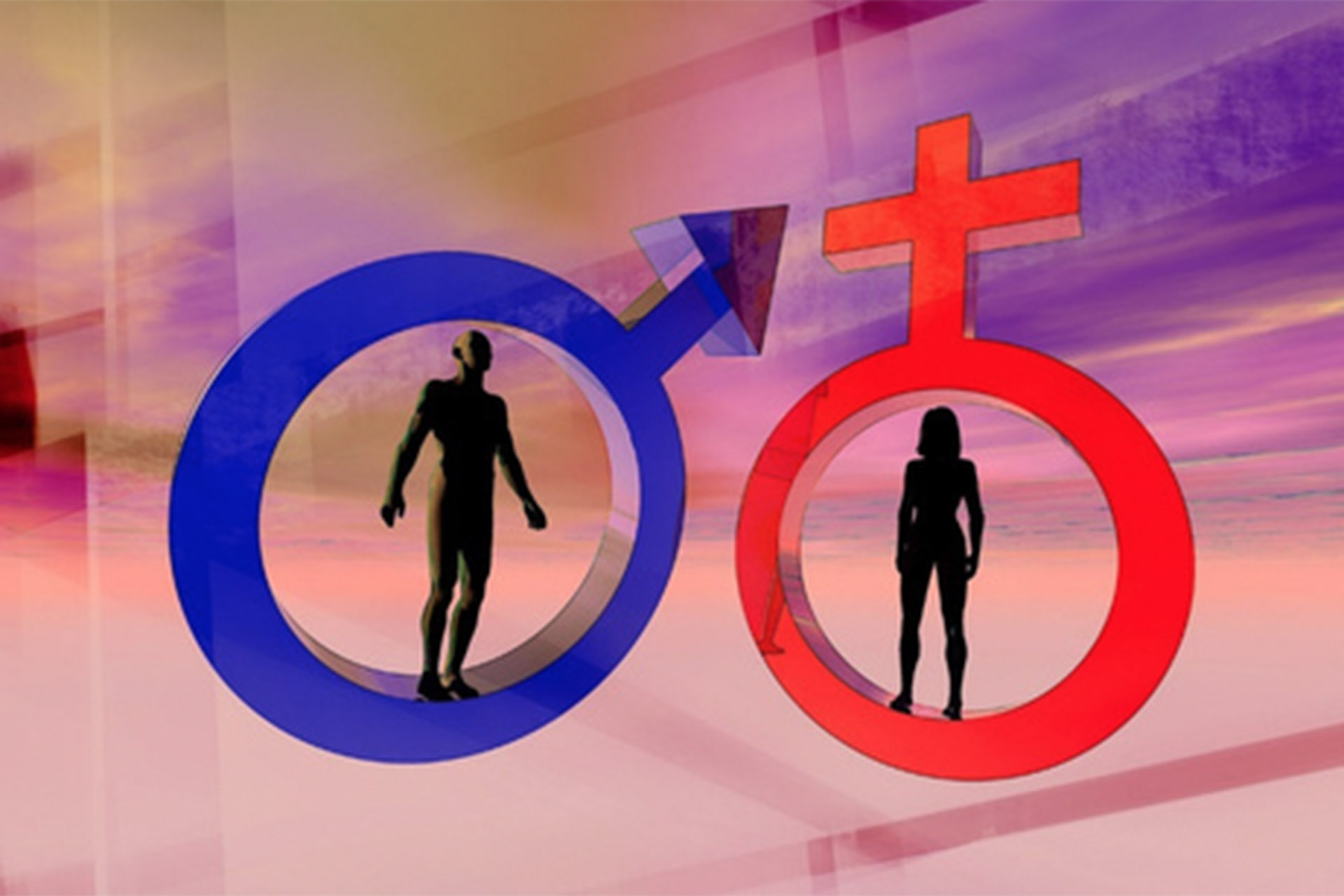
In your practice, you may notice that men and women often present with distinct health conditions. Men frequently visit our offices with complaints related to knee or back pain, as well as sports injuries. In contrast, women often report feeling “unwell” or “out of sorts,” describing a variety of sensations and nonspecific conditions.
What contributes to these differences?
We will investigate gender differences across various body systems, with a specific emphasis on the hormonal, fascial, and lymphatic systems. What are the sort of conditions that come into our practices? Menopause, migraine, endometriosis, infertility, sports injuries, prostate issues, and stress conditions?
Day 1: Gender Differences in connection to natural cycles and body regulation
This Day will focus on gender differences related to circadian rhythms, adaptability, metabolism, susceptibility to inflammation, and chronic diseases. We will discuss a treatment protocol specifically designed for women’s health issues, referencing the fascia matrix, interstitial fluid, lymphatic system, and the main hormonal glands. This protocol can be applied to various women’s health conditions, such as menopause, metabolic disorders, and migraines.
Day 2
We will explore the relationship between the pelvic organs, tensegrity, and their connection to the musculoskeletal system and the autonomic nervous system. The pelvis is intricately linked to the autonomic nervous system, which can exhibit long-term stress responses and conditions.
The practical protocol will address various conditions related to the pelvis and its organs for both men and women. This includes infertility (for both genders), endometriosis, chronic pelvic pain syndrome, and prostate issues.
Day 3
On the third day, we will discuss trauma in general, particularly as it is stored in the fascia tissue and adjacent organs. We will cover a protocol for addressing epigenetically or genetically inherited trauma dispositions connected to the fascia structure and tissues.

About Ellen Groesser
Ellen Groesser, MSc, Naturopath, earned her master’s degree in Human Biology in 1992. After two years in psychology and various management roles in the pharmaceutical industry, she returned to her roots as a Naturopath following the birth of her twins in 2003. She completed four years of training in Osteopathy, Craniosacral Therapy, and Homeopathy, along with postgraduate seminars in Biodynamic Craniosacral Therapy and specialized training for women, newborns, and children.
Since 2007, she has worked in her private practice in West Germany.
She is listed as a “Master Therapist” of the German Craniosacral Association and served on its board for several years. She is also registered as a Biodynamic Cranial Therapist and Teacher of the BCTA/NA. She is also listed as an Osteopath and a children’s Osteopath in Germany
Since 2010, she has been a student and assistant of “Dr. Michael Shea, B.A. M.A. Phd, Florida, and holds an Advanced Diploma in Biodynamic CST.
Since 2015, she has organized and moderated the annual meetings of the European Craniosacral Association Network (ECSAN) across Europe. Since 2025, she has been the chairwoman of the newly founded European Craniosacral Association.
Throughout her career, she has always been involved in training others, beginning in the 1990s during her time in the pharmaceutical industry. In the past ten years, she has been teaching Osteopathy, Craniosacral Therapy, and meditation. Her training sessions take place not only in Germany but also in various other European countries, including Ukraine, Russia, Switzerland, Austria, and the United States.